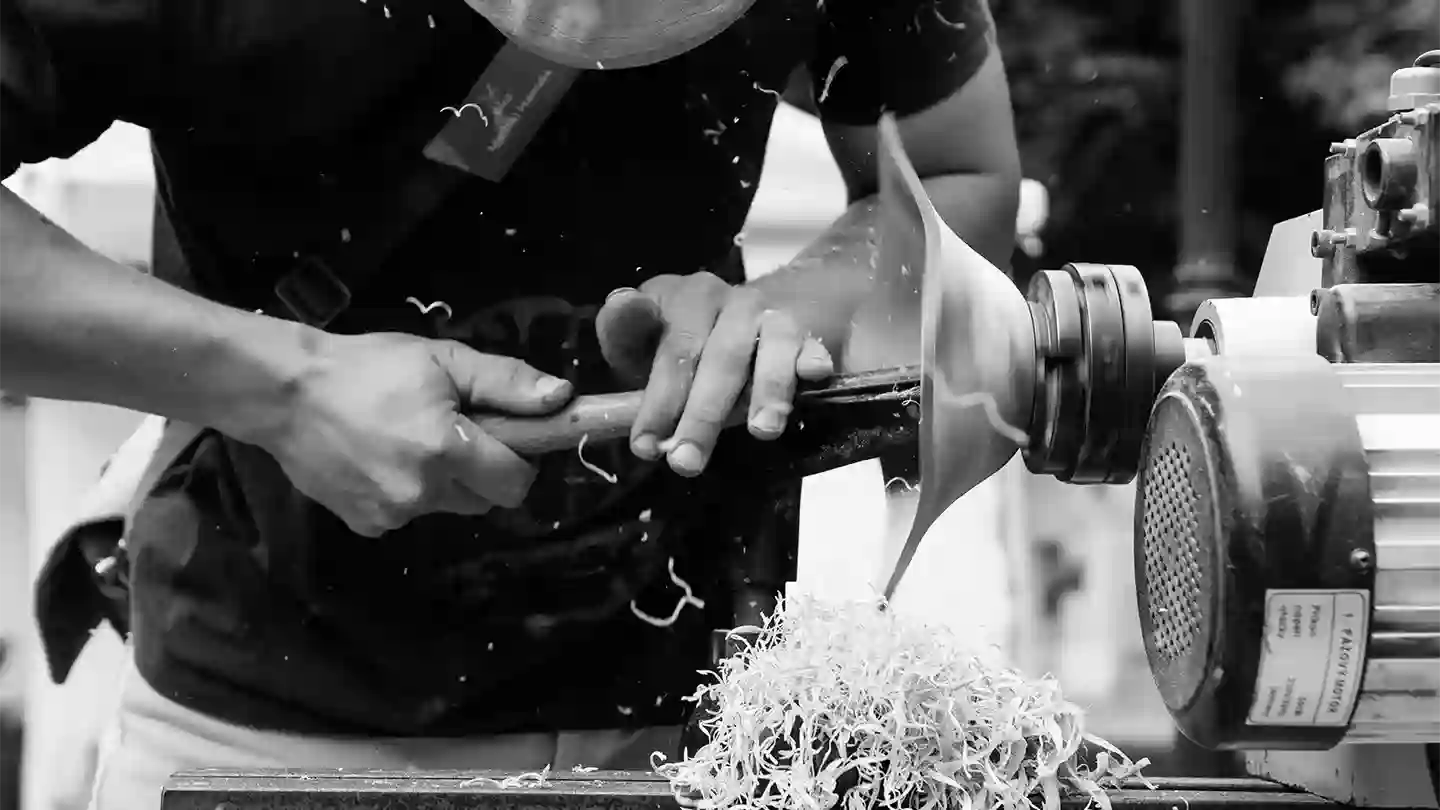
Quality furniture is more than a functional necessity—it is the outcome of careful design, skilled craftsmanship, and an understanding of materials. In an era dominated by mass production, truly well-made furniture stands apart because it reflects time, intention, and expertise. From the initial concept to the final polish, each step contributes to durability, aesthetics, and long-term value.
We don’t just make furniture. We create pieces that support everyday living — spaces for conversations, rest, creativity, and moments that matter.
Founder & CEO at SITORA Studio
At the heart of quality furniture lies material selection. Craftsmen prioritize solid hardwoods like oak, teak, walnut, or maple due to their strength and longevity. Unlike engineered woods or low-cost composites, these materials age gracefully and develop character over time. The choice of material also affects structural integrity, ensuring that furniture can withstand daily use without warping, cracking, or weakening.
Equally important is the joinery technique used in construction. High-quality furniture avoids shortcuts such as excessive nails or glue, relying instead on traditional methods like mortise-and-tenon, dovetail, or dowel joints. These techniques create stronger connections between components, allowing the piece to remain stable for decades. Precision in joinery reflects the skill level of the craftsperson and directly impacts the furniture’s lifespan.


Design plays a critical role in balancing form and function. Good furniture is not only visually appealing but also ergonomically sound and practical. Designers consider proportions, comfort, and usability while maintaining aesthetic harmony. Whether it’s a chair that supports posture or a table that fits seamlessly into a space, thoughtful design enhances the user experience and adds value beyond appearance.
Finishing is another defining aspect of quality furniture. The finishing process involves sanding, staining, and sealing the surface to protect it from moisture, heat, and wear. A well-applied finish highlights the natural grain of the wood while providing durability. Poor finishing, on the other hand, can undermine even the best construction by leading to peeling, discoloration, or surface damage.
Finishing is another defining aspect of quality furniture. The finishing process involves sanding, staining, and sealing the surface to protect it from moisture, heat, and wear. A well-applied finish highlights the natural grain of the wood while providing durability. Poor finishing, on the other hand, can undermine even the best construction by leading to peeling, discoloration, or surface damage.
Leave a Reply