Toys have always been more than simple objects of play—they are vessels of imagination, learning, and memory. Among the ever-changing landscape of children’s playthings, few endure with the quiet confidence and timeless appeal of natural wooden toys. Rooted in craftsmanship and simplicity, these toys transcend trends, offering something increasingly rare in a fast-paced world: permanence, intention, and soul.
A Return to Thoughtful Play
Modern childhood is often saturated with plastic, flashing lights, and disposable novelty. In contrast, wooden toys represent a return to thoughtful, deliberate play. Their appeal lies not in excess stimulation, but in possibility. With clean lines, natural textures, and open-ended forms, wooden toys invite children to engage creatively, filling in the story themselves.
This shift reflects a broader cultural movement toward mindfulness, sustainability, and quality over quantity. Parents and caregivers are increasingly seeking toys that align with these values—objects that are safe, meaningful, and built to last.
The Beauty of Natural Materials
At the heart of heirloom wooden toys is the material itself. Solid wood carries warmth, weight, and character. Each grain tells a story, making no two pieces exactly alike. Unlike mass-produced plastics, wood ages gracefully, developing a patina that reflects years of love and use.
Why natural wood matters:
- Durability: Properly crafted wooden toys withstand years—often generations—of play.
- Safety: Finished with non-toxic oils or paints, they are free from harsh chemicals.
- Sensory richness: The texture, weight, and even subtle scent of wood create a grounded, tactile experience.
- Sustainability: Responsibly sourced wood supports environmentally conscious production.
These qualities elevate wooden toys from simple playthings to cherished objects.
Designed to Endure, Made to Be Passed On
Heirloom-quality toys are defined by craftsmanship. They are often handmade or produced in small batches, with careful attention to joinery, balance, and finish. There is an intentional absence of excess—no batteries, no screens, no planned obsolescence.
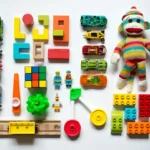
As a result, these toys naturally become keepsakes. A wooden train set, a stacking tower, or a hand-carved animal can move seamlessly from one childhood to the next, carrying stories along with it. Scratches and wear are not flaws; they are records of play.
Encouraging Imagination Over Instruction
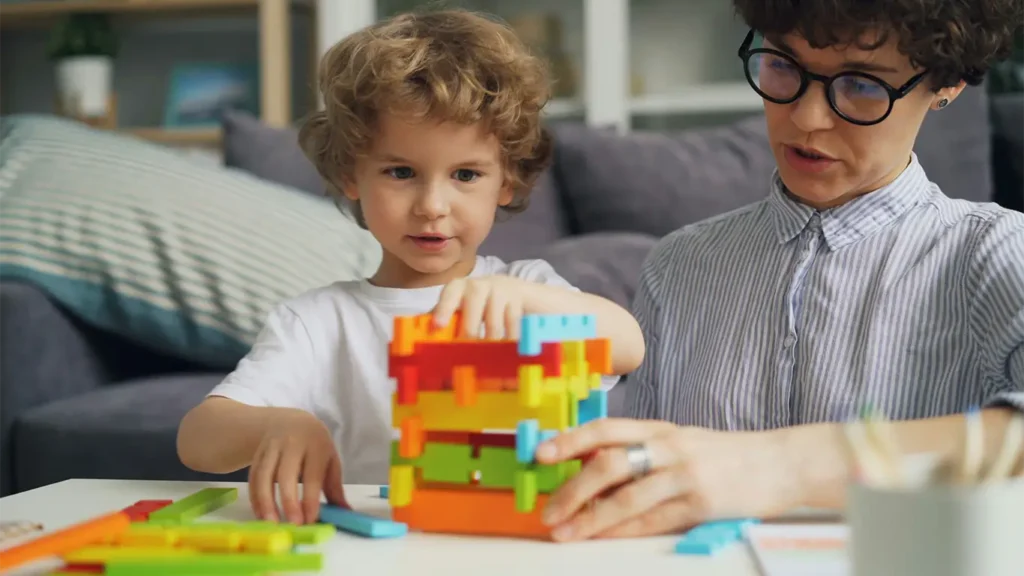
Wooden toys rarely dictate how they should be used. A set of blocks can become a city, a castle, or a bridge. A simple wooden doll can be a hero, a parent, or a traveler. This openness supports cognitive development, problem-solving, and creativity.
Rather than entertaining children, these toys empower them to entertain themselves—an essential distinction in early development.
Aesthetic Simplicity, Timeless Appeal
Beyond function, wooden toys possess an understated beauty that complements the home. Their neutral tones and organic forms integrate effortlessly into living spaces, reinforcing the idea that children’s objects need not be visually chaotic to be engaging.
This aesthetic restraint ensures that wooden toys feel as appropriate today as they will decades from now.
Capturing the Heirloom Spirit
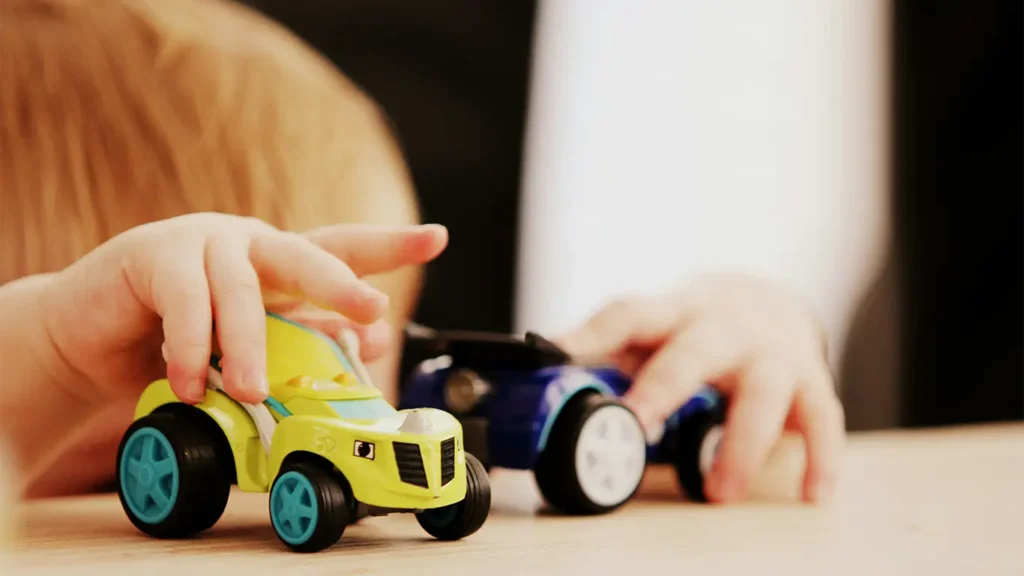
The enduring charm of wooden toys is often highlighted through natural, honest presentation:
- Soft, natural light that emphasizes wood grain and texture
- Minimal styling that reflects simplicity and authenticity
- Contextual settings—floors, shelves, small hands at play—rather than staged perfection
The focus remains on material, form, and use, reinforcing the emotional connection these toys inspire.
A Philosophy, Not Just a Product
“Heirloom quality” is ultimately a philosophy. It suggests care in how something is made, respect for the materials used, and consideration for the people—present and future—who will use it.
As designer Charles Eames famously noted, “The details are not the details. They make the design.” In wooden toys, these details are evident in every curve, joint, and finish.
Styling and Selection Guidance
For those curating a thoughtful toy collection:
- Choose solid wood over composites where possible
- Favor simple forms that allow for open-ended play
- Look for makers who prioritize craftsmanship and ethical sourcing
- Embrace signs of wear as part of the toy’s evolving story
A Legacy of Play
Trends in toys will continue to shift, but the quiet resilience of wooden toys remains unchanged. They offer children more than entertainment—they offer connection, creativity, and continuity.
Conclusion
Heirloom Quality: The Enduring Charm of Natural Wooden Toys is about more than nostalgia. It is about choosing objects that honor childhood as something unhurried and meaningful. These toys do not shout for attention; they invite it. And in doing so, they become more than toys—they become part of a family’s story, carried forward through time, one small hand at a time.



Leave a Reply